Ecommerce News

Blog post image

Top Ecommerce Trends in 2026 | Salsify

  • Kelly
  • 0 Comments

Shoppers are increasingly selective, using AI recommendations as a starting point rather than fully trusting them immediately (only 14% do). Detailed product content significantly boosts trust, with 31% of shoppers finding AI recommendations credible enough to buy if descriptions are rich. Interest in AI shopping agents varies by generation, appealing more to Millennials (30%) and Gen Z (26%) than older demographics, due to concerns about trust and control. Online marketplaces are now the go-to for product research, with 51% of shoppers using them to compare options. Brands must therefore provide comprehensive, trustworthy content across all digital and physical channels to meet these evolving shopper and AI demands.

Blog post image

Navigating Market Challenges of B2B Industrial Manufacturers | Salsify

  • Kelly
  • 0 Comments

The B2B industrial manufacturing sector faces unique marketing challenges due to its highly specialized, high-value products where precision is paramount. Despite critical precision requirements, there's a growing trend towards online buying, indicating increased customer confidence in digital transactions for these complex goods. This shift has enabled non-traditional distributor relationships, opening the market to smaller producers, but also intensified the need for early customer engagement. Key hurdles include managing complex product portfolios where even millimeter differences can render parts unusable, and navigating ongoing supply chain disruptions. Additionally, marketers contend with long buying cycles involving multiple stakeholders making high-value purchasing decisions, unlike typical consumer transactions.

Blog post image

Research Spotlight: U.K. Consumer Trends and Shopping Habits | Salsify

  • Kelly
  • 0 Comments

UK online shoppers show a notable preference for purchasing alcohol online compared to those in the US and Canada. A significant 23% of UK parents report their Gen Alpha children (ages 0-15) moderately influence household purchases, a higher rate than in other regions, especially for sports/outdoor and toy/baby items. Additionally, 15% of UK shoppers utilize AI search tools more than traditional product review websites, though this is less than in the US and Canada. Interestingly, 10% of UK shoppers research new products and brands directly through delivery apps. Even while in physical stores, 38% of UK shoppers use smartphones for additional research, and 28% of those using AI tools rely heavily on detailed product descriptions for trusting recommendations.

Blog post image

Top Fashion and Apparel Consumer Buying Trends | Salsify

  • Kelly
  • 0 Comments

Consumers are becoming more cost-conscious and values-driven due to rising tariffs, with 26% of shoppers viewing sustainable or recyclable packaging as a sign of product quality, according to Salsify's research. Brands should highlight sustainable features, climate commitments, and product durability, while launching resale programs to offer more value and reduce environmental impact. Shoppers research across multiple channels, prioritizing product images and videos (61%), ratings, reviews, and user-generated content (57%), as poor content often leads to cart abandonment. Additionally, 22% of consumers use AI tools for product discovery, but only 14% fully trust AI recommendations, prompting brands to optimize consistent content for AI engines by 2026. Gen Alpha influences 24% of fashion purchases, so brands should engage this demographic through family-friendly messaging and UGC, like MomTok videos.

Blog post image

Commerce Charmification and Product Personalization Trends | Salsify

  • Kelly
  • 0 Comments

The article discusses the emerging trend of product personalization in digital commerce, emphasizing its expansion beyond luxury goods to everyday items like notebooks, sneakers, and water bottles. With economic pressures influencing shopping habits, consumers now look for personalized items that reflect their identity and are willing to pay a premium for them despite cutting back on other purchases. Personalization not only enhances a product's appeal but also builds trust and loyalty towards a brand—68% of shoppers have spent more on products from trusted brands. The perception of quality and value is heavily influenced by personalization, as people view personalized products as more durable and significant. The article highlights the growing consumer expectation for brands to remember their preferences and offers, highlighting personalization's powerful role in the modern marketplace.

Blog post image

10 Brand Examples of Inspiring Product Images and More | Salsify

  • Kelly
  • 0 Comments

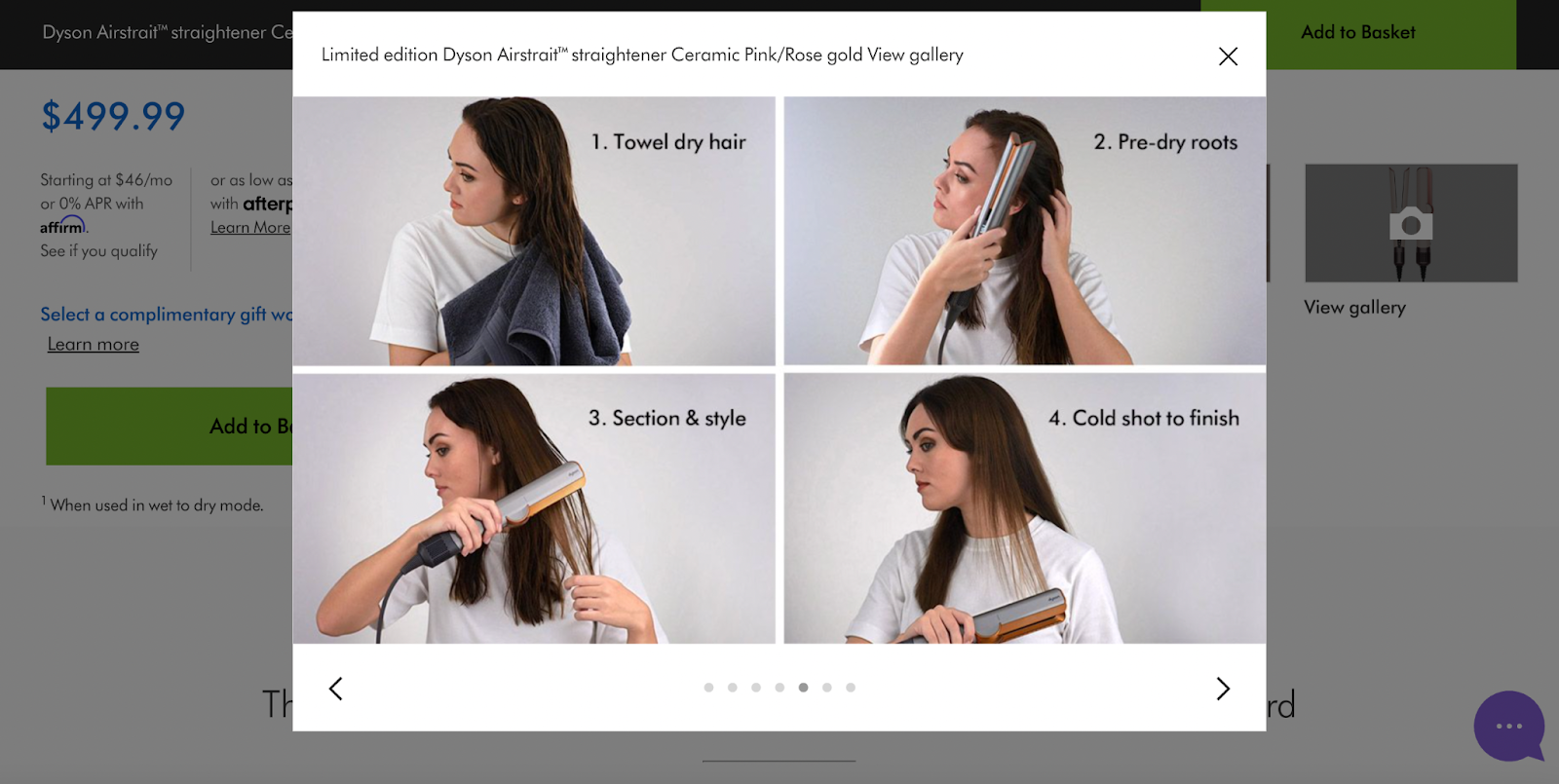
Salsify's research highlights that over half of shoppers discover new products on marketplaces like Amazon and social media platforms, far more than on brand or retail websites. To stand out, brands need diverse content beyond basic images, such as user-generated content, videos, and detailed product information. For example, Dyson uses step-by-step images to demonstrate product use, while Wayfair offers detailed diagrams to help buyers make informed furniture choices. Beauty brands like L’Oréal incorporate virtual try-on features using augmented reality to enhance the shopping experience. Other brands, including Grainger and Clorox, use 360-degree images and product demonstration videos, respectively, to provide deeper understanding and build shopper confidence for online purchases.

Blog post image

Netcore Unbxd Launches Agentic Multimodal Search to Transform Ecommerce Discovery

  • Kelly
  • 0 Comments

Netcore Unbxd has launched Agentic Multimodal Search, an AI system that simultaneously analyzes visual and linguistic signals from shopper inputs. This new approach forms a unified understanding of user intent, allowing shoppers to upload an image and refine their search using conversational prompts (text, voice, or transliterated terms). The system delivers more accurate and relevant results, even when input is vague, incomplete, or product data is limited. It's particularly impactful for visually-driven e-commerce categories like fashion and home décor, marking a shift towards "agentic commerce" where AI actively interprets and executes discovery tasks.

Blog post image

What Early UCP Adoption Means for Brand Visibility in AI Shopping

  • Kelly
  • 0 Comments

The article describes the **Universal Commerce Protocol (UCP)** as a new standard for structured, machine-readable product information. Key facts: * UCP enables AI shopping assistants to easily retrieve, compare, and surface products from merchants. * Merchants who adopt UCP can appear across various new AI shopping interfaces without needing to rebuild infrastructure for each platform. * UCP's foundation relies on consistent product attributes, pricing, and availability signals, exposed through real-time APIs, which AI agents query. * Early UCP adoption is presented as a critical factor for securing brand visibility in the emerging landscape of AI-driven shopping.